

Why Executive Functioning Skills Matter (More Than Ever)
What’s Really Going On—and Why It’s Not Your Fault

Have you ever looked at your child and thought,
“They’re so smart… so why are they so scattered?”
Or maybe you've asked yourself,
“Did I miss something? Did I not teach them enough life skills? Was I too soft? Too hard? Did I drop them that one time… ”
Deep breath.
Let me say something right up front that every one needs to hear:
It’s not your fault.
If you’re here, looking for answers, trying to help your child…
I can say, with a certain level of certainty…
You’re not a bad parent. Your child isn’t broken.
But there’s something underneath the surface that many families haven’t been taught to look for. And once you see it, so much starts to make sense.
Let’s talk about executive functioning.
Wait, What Is Executive Functioning?
Executive functioning (EF) is a set of mental skills we use every day to get stuff done. Planning, staying organized, remembering what we’re doing, shifting gears when things change, controlling emotions and impulses, and more—it’s like the brain’s air traffic control system.
When EF skills are working well, life flows.
When they’re underdeveloped or overwhelmed… things fall apart.
That’s why this space exists—to help you understand what executive functioning is, why it matters, and how you can support your child (and yourself!) without blame, shame, or overwhelm.
Whether your child, or loved one, is 9 or 29.
Let’s start with a big question:
Why does it seem like youth are struggling with executive functioning skills more than ever before?

Modern Life Isn’t Helping Our Brains Build These Skills
Our brains are beautifully adaptable, but they’re shaped by the demands we place on them. And modern life isn’t exactly designed to strengthen executive functioning skills anymore.
Think about it:

No commercials.
Back in the day (cue nostalgic PBS music), we’d watch a show and have to sit through breaks. These commercial pauses gave our brains a chance to process what we’d just watched and anticipate what might come next—essential executive functioning tasks like working memory and metacognition.
Will you figure out the murder before Angela Lansbury?
Can you diagnose the patient before House?!
Now? One click, and we’re on to the next thing. No pause. No think-time. Just go.

No analog clocks.
Remember watching the second hand tick around the clock during math class? Or knowing that when the big hand hit the 6, it was time to pack up?
That wasn’t just boring childhood observation—it was visual time awareness.
Today’s kids mostly see time as a number on a screen. There's no movement. No spatial relationship. No natural awareness of how time flows. Instead time just disappears, like magic. Bad… magic.

Instant answers.
Have a question? Just Google it.
But before smartphones, you had to remember the question, go to a library, search for a book, and read to find the answer. That was working memory, task initiation, sustained attention, and perseverance—all being flexed without us even realizing it.
None of this is a guilt trip about modern convenience (I love my devices too, I promise).
But we have to acknowledge:
Many of the everyday experiences that used to naturally grow executive functioning just… don’t exist anymore.
In making life easier, we’ve accidentally made thinking harder.
Childhood is Practice for Adulthood
Executive functioning doesn’t develop in a vacuum. It grows through experiences, both good and bad.
Take social play. When kids take turns, problem-solve disagreements, lose at a game, or wait for their turn on the swing, they’re practicing emotional regulation, flexible thinking, and impulse control. That sandbox drama? It was preparation for life.
Or think about TV again (yes, we're going back to Mr. Rogers).
Waiting all week for the crayon factory episode? That was building planning, time awareness, and sustained attention.
And when it was not the crayon episode? Hello, disappointment tolerance and flexible thinking.
These are the exact skills adults use every day.
When your boss changes the deadline—flexible thinking.
When you’re juggling groceries, kids, and a conference call—working memory.
When you resist the urge to scroll instead of finishing a project—impulse control.
So when kids don’t get consistent practice with these skills, we shouldn’t be surprised when they struggle later on. But again: this isn’t your fault.
Some Brains Need Extra Support (And That’s Okay)
There’s another layer here that’s often overlooked. Sometimes, a child’s executive functioning struggles have nothing to do with parenting or environment at all.
Let’s name a few:
Trauma
Chronic stress
Undiagnosed hearing or vision issues
Complex medical needs
Special needs
Neurodivergent brains (like ADHD, giftedness and autism)
In these situations, a child’s brain may need more direct and intentional support to develop executive functioning skills. Not because they’re “less than,” but because their path to learning looks different.
Direct teaching, supportive environments, visual scaffolds, coaching, consistent routines… these are game-changers. And no, it’s not “babying” them. It’s building the scaffolding they need to eventually fly on their own.
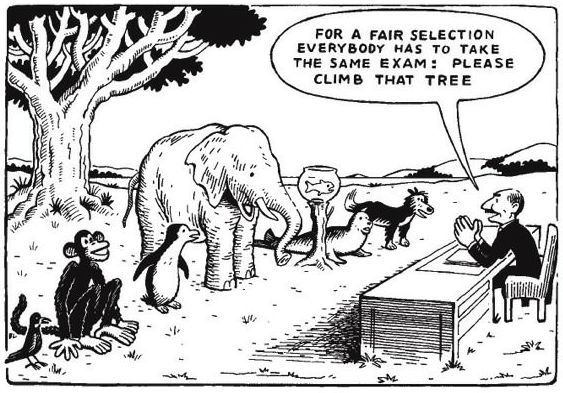
Each person is on their own journey, with their own story… but we all live in a world with high demands on executive functioning skills.
You’re Not Alone
If you’ve been worried something’s off… you’re probably right.
And you’re also probably more equipped than you think.
Just by reading this, you’re doing the work. You’re noticing. You’re learning. You’re showing up.
In the coming months, we’ll unpack what each executive functioning skill really looks like, what can get in the way, and how to support your child at home and in life.
Not with perfection.
Not with a magic formula.
But with insight, encouragement, and small, sustainable steps forward.
You’ve got this. And I’ve got you.
Let’s raise kids who can thrive—not just survive—in an organized world.
Warmly,
Tara Roehl, MS, CCC-SLP
💡 Want to go deeper?
If this article resonated with you, you're not alone—and you're not stuck.
When you become a paid subscriber, you'll get access to practical tools, strategies, and resources to support your child's executive functioning skills at home. You’ll also unlock the community chat, where you can ask questions, share wins, and connect with others walking a similar path.
And if you’re ready for real-time support, join me in The Executive Suite—a special subscriber tier that includes live Zoom sessions where we’ll dive deeper into EF topics, troubleshoot challenges together, and make space for your questions (face-to-face, not just in the comments).
You're doing the work. Let’s do it together. 🧠💛